

Table of Contents
- 1. Eggs
- 2. Dried Beans and Lentils
- 3. Oats (Rolled or Steel-Cut)
- 4. Seasonal Vegetables (Root Vegetables & Cruciferous)
- 5. Brown Rice
- 6. Canned Tomatoes
- 7. Bananas
- 8. Peanut Butter (Natural)
- 9. Frozen Vegetables
- 10. Whole Wheat Flour
- 10-Item Comparison: Affordable Healthy Grocery Staples
- Turn Your Grocery List into a Financial Asset
This blog post may contain affiliate links. As an Amazon Associate I earn from qualifying purchases.
Eating well doesn't have to strain your finances. In fact, a strategic approach to your grocery shopping is a powerful tool for building financial stability and achieving long-term savings goals. Mastering an inexpensive healthy grocery list allows you to redirect funds from your food budget towards debt reduction, investments, or building an emergency fund, transforming a routine chore into a consistent wealth-building habit. This guide moves beyond generic tips to provide a detailed blueprint for a budget-friendly pantry. We will break down ten core food items, offering price guidance and smart substitution strategies to maximize every dollar. You will learn how to leverage seasonal produce, understand the value of bulk buying, and utilize simple tools to plan your shopping trips effectively.
The aim of our blog is to provide valuable insights and practical tips to help readers manage their money more effectively. However, the information shared here is for general guidance and educational purposes only. It should not be regarded as professional financial advice. Any actions taken based on our content are entirely the responsibility of the reader, and we accept no liability for the outcomes of those actions. If you require financial advice tailored to your personal circumstances, we strongly recommend seeking assistance from a qualified financial adviser.
This comprehensive list is designed to be your go-to resource for making informed, cost-effective decisions at the supermarket. By focusing on nutrient-dense, versatile staples, you can lower your grocery bills significantly without compromising on health. Let's explore the foundational items that will help you take control of your food spending and fortify your financial future.
1. Eggs
A true cornerstone of any inexpensive healthy grocery list, eggs offer an unparalleled combination of high-quality protein, essential nutrients, and affordability. They are a complete protein source, containing all nine essential amino acids necessary for physical health. This nutritional density makes them a powerful tool for maintaining your well-being without straining your budget.
Why Eggs are a Smart Financial Choice
Beyond their nutritional profile, eggs are incredibly versatile, fitting seamlessly into any meal plan. This adaptability reduces food waste and maximizes the value of every dollar spent. A dozen conventional eggs often costs less than a single serving of protein from other sources, making them a budget superstar. To get the most out of this frugal food, check out these incredible meals on a budget for 4 from collapsedwallet.com.
Actionable Tips for Saving on Eggs
To integrate this powerhouse food into your financial planning, consider these strategies:
- Buy in Bulk: Larger cartons (18 or 24 eggs) often have a lower price per egg. If you see a sale, stock up, as they have a relatively long shelf life.
- Time Your Purchases: Look for weekly grocery flyers and plan your shopping trips around sales on staple items like eggs.
- Batch Preparation: Preparing a dozen eggs at the start of the week provides instant, high-protein options, preventing costly impulse buys for convenience foods.
- Store Properly: Keep eggs in their original carton on a main shelf in the fridge, not the door, to maintain a consistent temperature and extend their freshness.
2. Dried Beans and Lentils
As a powerhouse of plant-based protein, dried beans and lentils are a non-negotiable part of any inexpensive healthy grocery list. These legumes deliver an incredible amount of fiber, complex carbohydrates, and essential micronutrients for pennies per serving. Their affordability and nutritional density make them a key component in a strong financial plan for food, allowing you to build nutritious meals that support both your health and long-term savings goals.
Why Dried Beans and Lentils are a Smart Financial Choice
A single one-pound bag of dried beans, often costing just a couple of dollars, can yield 6-8 servings, drastically reducing the cost-per-meal compared to most other protein sources. This high yield and long shelf life minimize food waste and protect your budget from volatile price swings. Mastering your grocery spending with staples like these is a core component of overall financial wellness, so take a look at these essential money management skills from collapsedwallet.com.
Actionable Tips for Saving on Dried Beans and Lentils
To maximize the financial benefits of these versatile staples, implement these strategies:
- Cook in Large Batches: Dedicate time to prepare a large batch of beans or lentils, then freeze them in meal-sized portions. This saves both time and energy costs, while providing a ready-to-use ingredient that prevents last-minute, expensive takeout orders.
- Start with Lentils: If you are new to preparing dried legumes, start with lentils. They do not require pre-soaking, which simplifies the process and makes them an easy entry point.
- Proper Storage is Key: Store dried beans and lentils in airtight containers in a cool, dark, and dry place. This preserves their quality for a year or more, protecting your investment and ensuring you always have a low-cost meal base on hand.
- Shop the Bulk Bins: If available, buying from bulk bins allows you to purchase the exact amount you need, reducing potential waste and often offering a lower price per pound compared to pre-packaged bags.
3. Oats (Rolled or Steel-Cut)
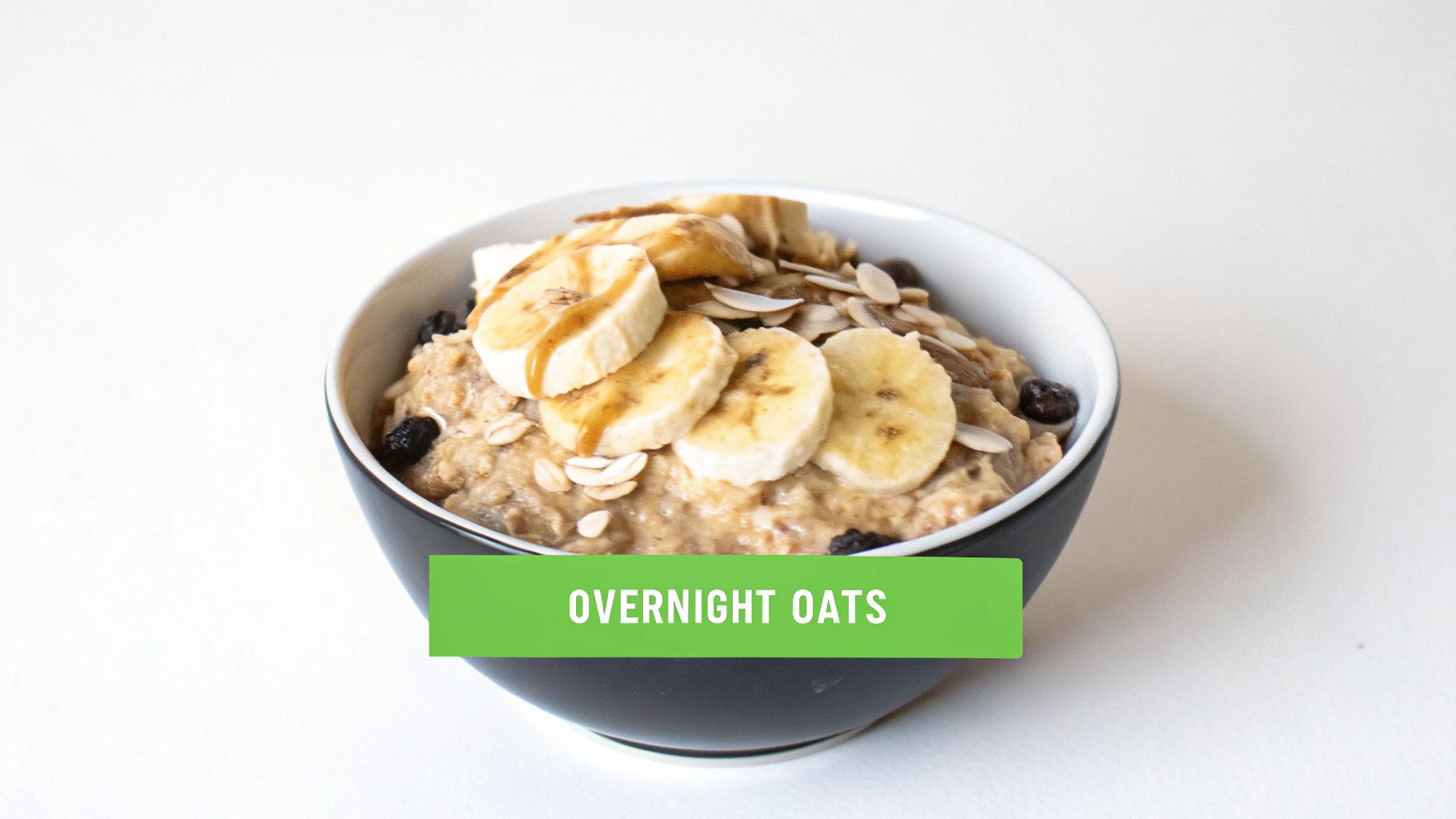
As a fundamental component of any inexpensive healthy grocery list, oats are a versatile whole grain that serves as a powerful and cost-effective staple. Packed with beta-glucan, a soluble fiber known for supporting heart health, oats provide slow-release energy that keeps you full and focused. Their low cost and long shelf life make them an excellent investment for your health and your wallet.
Why Oats are a Smart Financial Choice
Oats deliver an exceptional return on investment. A large canister of rolled oats, often costing just a few dollars, can provide dozens of servings, significantly lowering the per-meal cost compared to processed breakfast cereals or takeout options. This adaptability extends beyond breakfast, as oats can be used in baking or even to make homemade oat milk, further reducing grocery spending and maximizing the utility of a single purchase.
Actionable Tips for Saving on Oats
To leverage this frugal pantry staple for better financial health, consider these strategies:
- Buy from Bulk Bins: Purchasing oats from the bulk section of your grocery store is often cheaper than buying pre-packaged containers, as you are not paying for branding or packaging.
- Opt for Large Containers: If bulk bins are not an option, the largest canister or bag available typically offers the lowest price per ounce.
- DIY Oat Flour: Instead of buying expensive specialty oat flour, simply blend rolled oats in a high-speed blender until they reach a fine, powdery consistency. This is perfect for home baking.
- Prepare Overnight Oats: Mix oats with milk or water and let them sit in the fridge overnight. This creates a ready-to-eat breakfast, eliminating the temptation for costly morning coffee shop runs.
4. Seasonal Vegetables (Root Vegetables & Cruciferous)
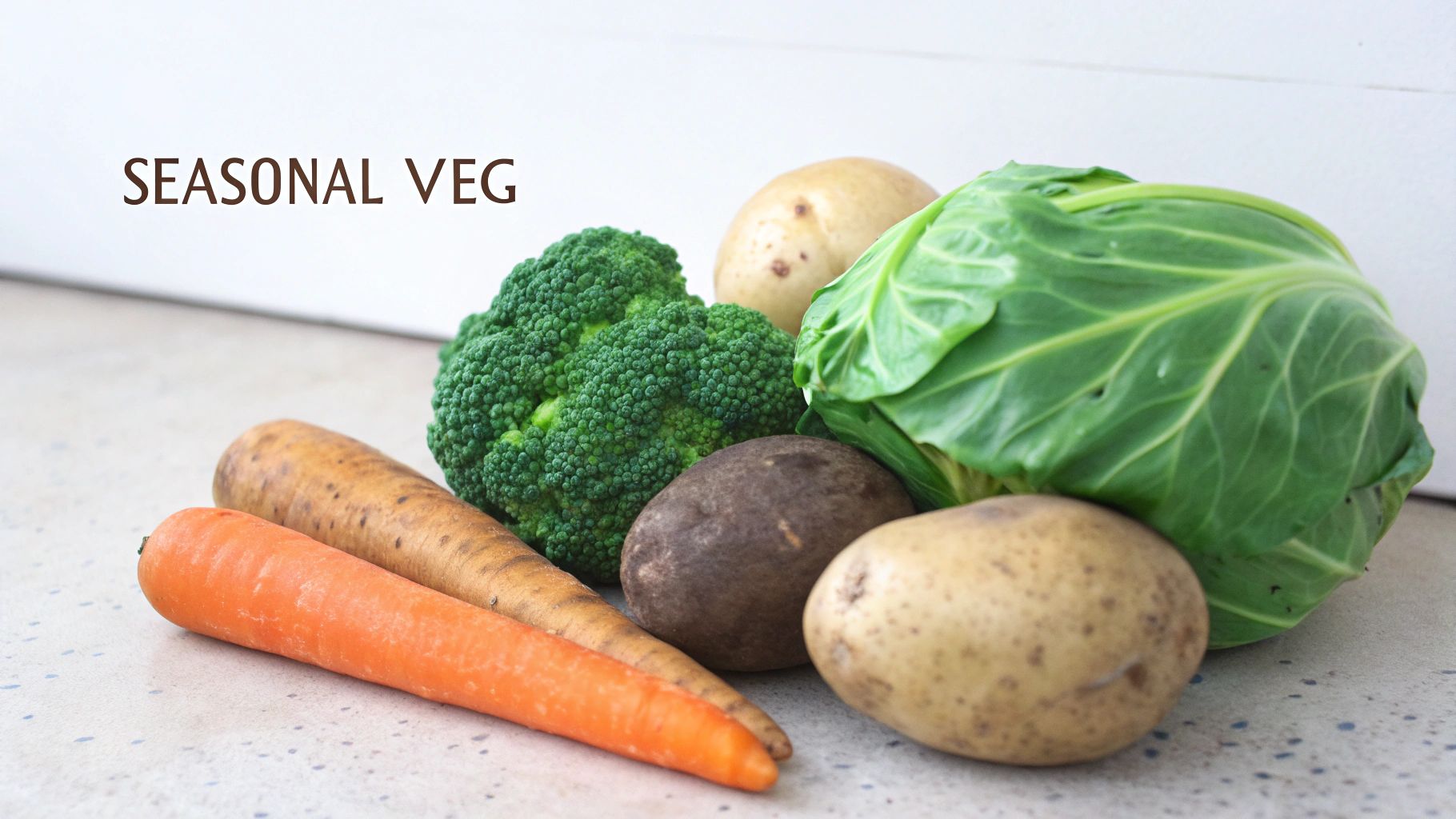
Focusing on seasonal vegetables is a powerful strategy for any inexpensive healthy grocery list, as it leverages the natural abundance of produce to secure the lowest prices. Root vegetables like carrots, potatoes, and sweet potatoes, along with cruciferous options like cabbage and broccoli, are nutritional workhorses. They are packed with essential vitamins, minerals, and fiber, providing a filling and healthy base for countless meals while being exceptionally kind to your wallet.
Why Seasonal Vegetables are a Smart Financial Choice
Purchasing produce in its peak season means it's more readily available, reducing transportation and storage costs that are often passed on to the consumer. Root and cruciferous vegetables also boast a longer shelf life compared to more delicate greens, which significantly cuts down on food waste and protects your financial investment in groceries. A simple bag of potatoes or a head of cabbage can be transformed into multiple meal components, stretching your food budget further.
Actionable Tips for Saving on Vegetables
To maximize your savings and integrate these foods into your financial planning, apply these effective strategies:
- Buy In-Season: Always check what's currently in season in your region. Farmers' markets are excellent places to find the freshest, most affordable produce.
- Proper Storage is Key: Store root vegetables like potatoes and carrots in a cool, dark, and dry place to prolong their freshness for weeks, preventing spoilage and repeat purchases.
- Batch Preparation: Dedicate an hour to wash, chop, and roast a large tray of root vegetables. This provides a ready-to-use component for meals throughout the week, reducing the temptation of expensive takeout.
- Utilize Every Part: Don’t discard scraps like carrot peels or broccoli stems. Save them in a freezer bag to make a flavorful and free vegetable broth later on.
5. Brown Rice
An essential whole grain for any inexpensive healthy grocery list, brown rice is a powerhouse of complex carbohydrates, fiber, and essential B vitamins. It provides sustained energy release, unlike its refined white counterpart, making it a foundation for filling and nutritious meals that support both physical health and long-term financial well-being. Its low cost and high nutritional yield make it a key player in strategic, budget-conscious meal planning.
Why Brown Rice is a Smart Financial Choice
Brown rice is a classic pantry staple that stretches your food budget significantly. A small serving can be expanded into a substantial meal by adding other low-cost ingredients like beans or vegetables. This incredible versatility means you can use it in bowls, soups, or as a side dish, ensuring no grain goes to waste and every dollar spent on groceries works harder for you.
Actionable Tips for Saving on Brown Rice
To maximize the financial benefits of this whole-grain staple, apply these cost-saving strategies:
- Buy in Bulk: Purchasing brown rice from warehouse stores or in large bags drastically reduces the cost per serving. A 2-pound bag often costs just $2-4, offering a phenomenal return.
- Batch Preparation: Prepare a large batch at the beginning of the week. Portion it out for quick meal bases, preventing the need for expensive last-minute takeout or convenience foods.
- Proper Storage: Store uncooked brown rice in airtight containers, ideally with oxygen absorbers, in a cool, dark place. This preserves its freshness and nutritional value, protecting your investment.
- Enhance Digestibility: Soaking rice for a few hours before preparation can improve its texture and digestibility, ensuring you get the full nutritional benefit from your purchase.
6. Canned Tomatoes
A key player on any inexpensive healthy grocery list, canned tomatoes offer incredible flavor, nutrition, and shelf-stability at a very low cost. They serve as a fantastic base for countless meals and retain high levels of lycopene, a powerful antioxidant. Because they are preserved at peak ripeness, they are often more flavorful and consistently cheaper than fresh tomatoes, especially when out of season.
Why Canned Tomatoes are a Smart Financial Choice
Canned tomatoes are a powerhouse for stretching your food budget, transforming simple ingredients into robust meals like chili, vegetable soup, or pasta sauce. Their long shelf life means you can stock up when prices are low without worrying about spoilage, directly reducing food waste and preventing last-minute, expensive grocery runs. This makes them a reliable, cost-effective tool for consistent meal planning and financial control.
Actionable Tips for Saving on Canned Tomatoes
To integrate this pantry staple into your financial strategy, consider these smart-shopping tips:
- Opt for Store Brands: Generic or store-brand canned tomatoes offer the same quality as name brands but at a significantly lower price point, providing instant savings.
- Buy in Bulk During Sales: When you see a great sale, purchase multiple cans. Their long shelf life makes them a perfect item to stockpile, locking in a low price for future use.
- Choose Low-Sodium: Select no-salt-added varieties to control your sodium intake. If those aren't available, simply rinse the tomatoes before use to reduce excess salt.
- Focus on Versatility: Crushed or diced tomatoes are generally more versatile than pre-seasoned sauce bases, allowing you to build multiple types of meals from one core product.
7. Bananas
As one of the most affordable fresh fruits available year-round, bananas are an essential component of any inexpensive healthy grocery list. They offer a wealth of nutrients, including potassium, vitamin B6, and vitamin C, providing a natural energy boost. Their consistent low price makes them an accessible and nutritious choice for managing your food budget effectively.
Why Bananas are a Smart Financial Choice
Often priced between $0.50 and $0.70 per pound, the value bananas offer is hard to beat. Their natural sweetness can satisfy sugar cravings, reducing the need to buy more expensive processed snacks and desserts. By using overripe bananas for baking or smoothies, you eliminate waste and stretch your grocery dollars even further, turning potential food loss into a financial gain.
Actionable Tips for Saving on Bananas
To maximize the financial benefits of this versatile fruit, implement these simple strategies:
- Freeze for Future Use: Don't discard overripe bananas. Peel, slice, and freeze them on a baking sheet before transferring them to a bag. They are perfect for smoothies or making a healthy, low-cost ice cream alternative.
- Strategic Purchasing: Buy bunches at different stages of ripeness. This ensures you have ready-to-eat bananas throughout the week while others ripen, preventing them from all becoming overripe at once.
- Look for Discounts: Many grocery stores discount brown-spotted bananas. These are ideal for immediate use in baking, offering significant savings.
- Natural Sweetener: Use mashed ripe bananas as a substitute for sugar in recipes like oatmeal and pancakes. This cuts down on the cost of sweeteners and adds extra nutrients.
8. Peanut Butter (Natural)
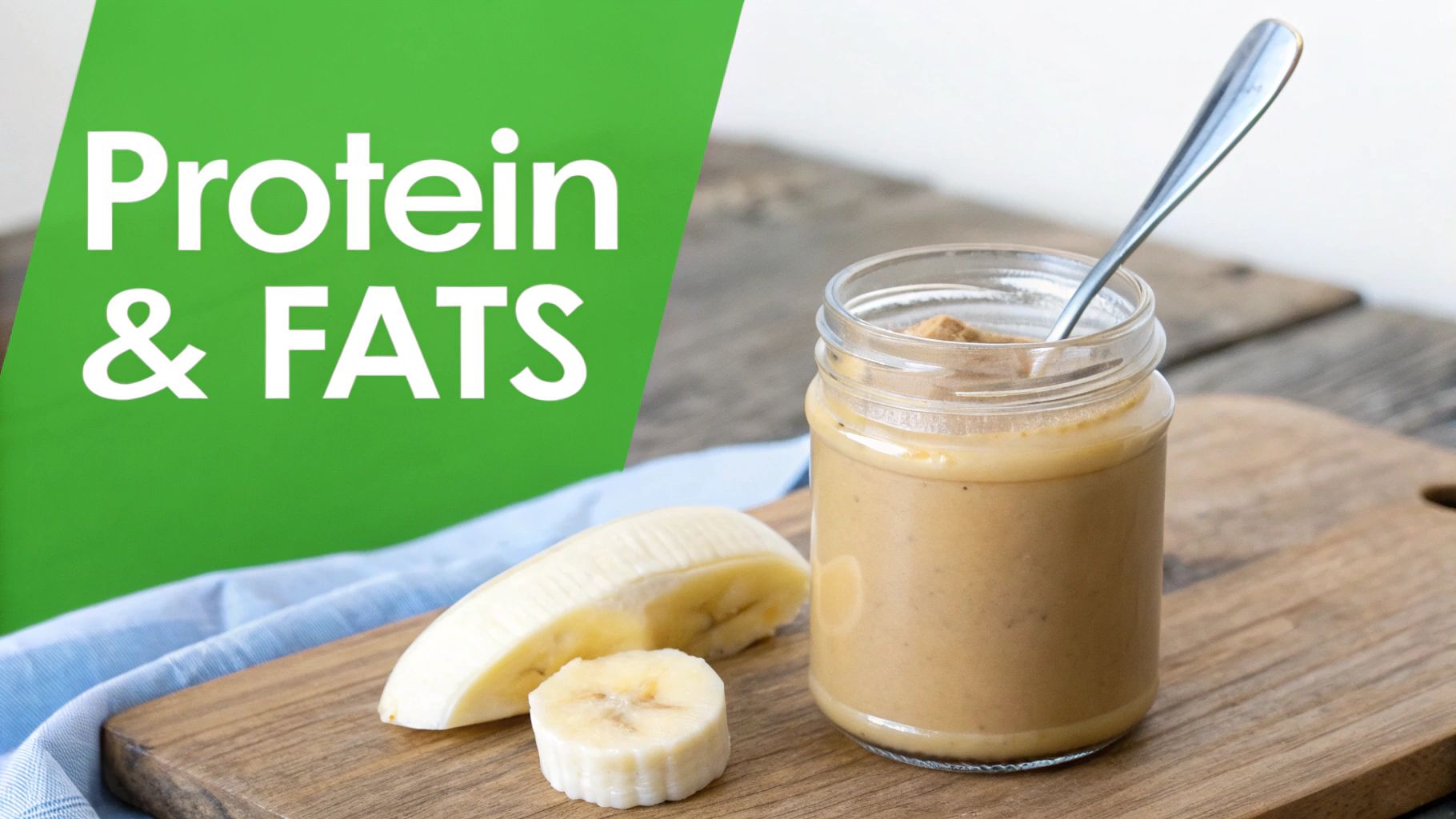
As a powerful source of plant-based protein and healthy fats, natural peanut butter is an essential component of any inexpensive healthy grocery list. A standard jar, costing just a few dollars, offers numerous servings that can be integrated into various meals, providing sustained energy and satiety. Just two tablespoons deliver a significant protein boost, helping you feel full longer and reducing the urge to buy pricey snacks.
Why Peanut Butter is a Smart Financial Choice
Peanut butter's long shelf life and versatility make it a budget-friendly champion in the pantry. It can be used in smoothies, oatmeal, sauces, or simple sandwiches, preventing food boredom and ensuring you get maximum value from every jar. Its high-calorie, nutrient-dense profile means a small amount goes a long way, stretching your food budget without sacrificing nutrition. This single ingredient can anchor multiple meals, from a quick snack to the base of a savory sauce.
Actionable Tips for Saving on Peanut Butter
To maximize the financial and health benefits of this pantry staple, apply these smart strategies:
- Read the Label: Opt for natural peanut butter with minimal ingredients, ideally just peanuts and salt. This helps you avoid added sugars and hydrogenated oils, which diminish its health benefits and can lead to future health costs.
- Store It Upside Down: Natural peanut butter often separates. Storing the jar upside down in the pantry before opening helps the oil mix back in more easily, saving you time and effort.
- Buy Store Brands: Generic or store-brand natural peanut butters are often significantly cheaper than name brands while offering identical nutritional value.
- Pair for Power: Combine peanut butter with other low-cost staples like bananas or whole-wheat toast. This creates a more balanced and filling meal, keeping you energized and preventing expensive impulse food purchases later.
9. Frozen Vegetables
A staple on any inexpensive healthy grocery list, frozen vegetables offer a fantastic combination of nutrition, convenience, and affordability. They are flash-frozen at peak ripeness, which locks in essential vitamins and minerals, often making them as nutritious as their fresh counterparts. This preservation method ensures you get high-quality produce year-round without paying a premium for out-of-season items.
Why Frozen Vegetables are a Smart Financial Choice
Frozen vegetables are a powerful tool for cutting down on food waste, a significant drain on any grocery budget. Unlike fresh produce, they have a long shelf life, so you only use what you need without worrying about spoilage. Options like frozen broccoli, peas, and mixed blends are consistently priced and often cost less per pound than fresh, making them a predictable and reliable expense. You can get more great ideas on how to save money on groceries from collapsedwallet.com.
Actionable Tips for Saving on Frozen Vegetables
To maximize the financial benefits of this grocery staple, implement these simple strategies:
- Prioritize Store Brands: Generic or store-brand frozen vegetables offer the same quality as name brands but at a significantly lower cost.
- Use from Frozen: Most frozen vegetables are designed to be used directly from the freezer. Thawing them first can result in a mushy texture and is an unnecessary step.
- Buy Blends for Variety: A bag of mixed vegetables is often cheaper than buying each vegetable individually and provides instant variety for stir-fries, soups, and side dishes.
- Stock Up During Sales: Keep an eye on weekly flyers for sales on frozen goods. Their long shelf life makes them a perfect item to buy in bulk when the price is low.
10. Whole Wheat Flour
A fundamental staple for any inexpensive healthy grocery list, whole wheat flour offers a nutrient-dense and highly affordable alternative to its refined white counterpart. By retaining the bran and germ, it provides significant fiber, B vitamins, and essential minerals, making it a powerful ingredient for budget-conscious home baking. Its versatility allows you to create everything from bread to pizza dough, stretching your food budget further.
Why Whole Wheat Flour is a Smart Financial Choice
A single 5-pound bag of whole wheat flour can cost as little as $3-5 and provides the foundation for dozens of meals, drastically reducing the cost per serving compared to buying pre-made baked goods. This control over your pantry staples empowers you to avoid the higher prices and unhealthy additives found in many store-bought breads, pancakes, and pastas. Homemade pizza dough or waffles made from whole wheat flour are excellent examples of turning a small investment into multiple satisfying, low-cost meals.
Actionable Tips for Saving on Whole Wheat Flour
To make this pantry essential work for your financial plan, implement these strategies:
- Ease Into It: If you're new to baking with it, start by substituting 50% of the white flour in a recipe with whole wheat. This helps you adjust to the texture and flavor.
- Store for Longevity: The natural oils in whole wheat flour can cause it to spoil faster than white flour. Store it in an airtight container in a cool, dark place, or for maximum shelf life, keep it in the freezer.
- Buy in Bulk: For households that bake frequently, purchasing larger bags from warehouse stores like Costco or Sam's Club can significantly lower the unit cost.
- Adjust Your Recipes: Whole wheat flour is more absorbent than white flour. Add an extra tablespoon or two of liquid to your recipes to ensure your baked goods aren't too dry.
10-Item Comparison: Affordable Healthy Grocery Staples
| Item | 🔄 Complexity | ⚡ Speed/Efficiency | 📊 Resource Requirements | ⭐ Expected Outcomes | 💡 Ideal Use Cases / Key Advantages |
|---|---|---|---|---|---|
| Eggs | Low — minimal prep | Very fast (5–10 min) | Low cost ($0.15–0.25/egg); refrigerate 3–4 wks | ⭐⭐⭐⭐ — Complete protein, choline, versatile | Quick meals, muscle repair, high satiety |
| Dried Beans & Lentils | Moderate — requires preparation time | Slow traditionally (30 min–2 hr); lentils quicker | Very low cost ($0.10–0.20/serving); shelf 1–2 yrs | ⭐⭐⭐⭐ — High protein & fiber; nutrient-dense, sustainable | Bulk prep, rice/bean bowls, meal-prep protein |
| Oats (Rolled/Steel-Cut) | Low — simple prep; soaking optional | Quick (overnight or 5–30 min) | Low cost ($0.20–0.40/serving); long shelf life | ⭐⭐⭐ — Beta-glucan fiber; supports satiety & heart health | Breakfasts, baking, mix with fruit or legumes |
| Seasonal Vegetables (Root & Cruciferous) | Low–Moderate — chopping/storage needed | Moderate (10–45 min); amenable to batch prep | Low cost ($0.50–1.50/lb); stores weeks when proper | ⭐⭐⭐ — Vitamins, fiber; filling but variable by type/season | Roasts, soups, stretch meals; nutrient variety on budget |
| Brown Rice | Low — longer prep time | Slow (40–45 min) | Very low cost ($0.15–0.25/serving); shelf 6–12 months | ⭐⭐⭐ — Complex carbs, fiber; stable energy source | Base for bowls, pairs with legumes, bulk meals |
| Canned Tomatoes | Very low — ready to use, no prep | Instant — useful for sauces | Low cost ($0.30–0.80/can); shelf-stable 2+ yrs | ⭐⭐ — High lycopene, flavor base; limited macronutrients | Sauces, soups, chilis; year-round flavor and convenience |
| Bananas | Very low — ready-to-eat, no prep | Instant snack; ripening time varies (2–5 days) | Low cost ($0.50–0.70/lb); perishable fast | ⭐⭐ — Potassium and quick energy; low protein | Snacks, smoothies, baking; portable energy source |
| Peanut Butter (Natural) | Very low — no prep; occasional stirring | Instant; calorie-dense protein/fat | Low cost ($0.20–0.30/serving); shelf several months | ⭐⭐⭐ — 8g protein/serving, healthy fats, satiating | Snacks, post-workout, pairs with fruit or oats |
| Frozen Vegetables | Very low — ready-to-use from frozen | Fast — use from frozen; reduces prep/waste | Low cost ($1–1.50/lb); freezer 8–12 months | ⭐⭐⭐ — ~90% nutrient retention; convenient | Stir-fries, soups, meal-prep; minimizes waste |
| Whole Wheat Flour | Low–Moderate — requires recipe adjustment | Moderate — dependent on baking time | Low cost ($0.15–0.25/cup); shelf 6–8 months (store cool) | ⭐⭐⭐ — Higher fiber and micronutrients vs. white flour | Healthier baking, bread/pancakes, bulk item swap |
Turn Your Grocery List into a Financial Asset
Navigating the grocery store aisles with a strategic plan is more than just a way to eat well; it's a powerful exercise in financial management. As we've explored, items like dried beans, oats, and seasonal vegetables aren't just nutritious choices, they are the building blocks of a robust, cost-effective budget. By consciously choosing these staples, you are directly influencing one of the most variable and significant expenses in your household budget, transforming your shopping cart from a weekly expense into a tool for achieving long-term financial stability.
This approach shifts the perspective on grocery shopping entirely. It ceases to be a chore and becomes an active step toward your financial goals. Every dollar saved on brown rice instead of a pre-packaged side dish, or on seasonal produce over expensive out-of-season options, is a dollar you can redirect. That money can be allocated toward paying down debt, building an emergency fund, or even making small, consistent investments. This deliberate allocation of resources, starting with your inexpensive healthy grocery list, is the very essence of building wealth and escaping financial worries.
Key Takeaways for Financial Success
To truly leverage this knowledge, it’s crucial to turn these ideas into ingrained habits. Here are the most important takeaways to implement immediately:
- Embrace Foundational Foods: Consistently build your meals around core, low-cost ingredients like eggs, lentils, oats, and brown rice. These items offer maximum nutritional return for minimal financial investment, forming the bedrock of a financially sound diet.
- Plan with Precision: A well-researched grocery list is your best defense against impulse buys and budget overruns. Use the sample lists from this article as a template to create your own weekly plan, ensuring every purchase has a purpose.
- Master Strategic Savings: Go beyond simply buying cheaper items. Actively practice the savings techniques discussed, such as buying in bulk where it makes sense, leveraging frozen produce to avoid waste, and planning meals around seasonal availability. This proactive approach significantly amplifies your savings over time.
Your Next Actionable Steps
Moving from knowledge to action is where real change happens. Start small to build momentum. This week, challenge yourself to create a shopping list based on at least five items from our core list. Plan three to four meals exclusively using those ingredients and other items you already have at home. As you check out, take note of the total cost and compare it to your typical grocery bill. This tangible evidence of savings is a powerful motivator. By treating your grocery list as a financial asset, you’re not just saving a few dollars here and there; you are actively investing in a future with greater financial freedom and less stress.
Ready to take control of every aspect of your budget? An inexpensive healthy grocery list is a fantastic start, and Collapsed Wallet can help you manage those savings and all your other financial goals in one place. Track your spending, set savings targets, and watch your financial health improve with our intuitive tools. Visit Collapsed Wallet to see how simple financial management can be.
Article created using Outrank

9 thoughts on “Your Ultimate Inexpensive Healthy Grocery List for 2025”