

Table of Contents
- 1. Track Your Spending
- 2. Create a Budget and Stick to It
- 3. Use the 30-Day Rule Before Making Purchases
- 4. Automate Your Savings
- 5. Overpay Your Mortgage
- 6. Cancel Unused Subscriptions and Memberships
- 7. Invest in Low-Cost Index Funds or ETFs
- 8. Take Advantage of Cashback and Rewards Programs
- 9. Reduce Energy Consumption at Home
- 10. Review and Switch Your Energy Tariff
- Comparison of 10 Simple Ways to Save Money and Build Wealth
- Turning Simple Actions into Lasting Financial Health
This blog post may contain affiliate links. As an Amazon Associate I earn from qualifying purchases.
In a world of rising costs and financial uncertainty, finding effective strategies to manage your money is more crucial than ever. The path to financial freedom doesn’t always require drastic measures; often, it’s the small, consistent habits that yield the most significant results. This guide is designed to provide you with actionable, straightforward tactics you can implement immediately. We will explore a curated list of simple ways to save money, helping you build a stronger financial foundation, reduce stress, and move confidently toward your long-term goals. These aren’t just abstract ideas; they are practical steps for building wealth and achieving security. This guide will give you the simple ways to save money and build wealth!
The aim of our blog is to provide valuable insights and practical tips to help readers manage their money more effectively. However, the information shared here is for general guidance and educational purposes only. It should not be regarded as professional financial advice. Any actions taken based on our content are entirely the responsibility of the reader, and we accept no liability for the outcomes of those actions. If you require financial advice tailored to your personal circumstances, we strongly recommend seeking assistance from a qualified financial adviser.
1. Track Your Spending
The first and most foundational step in any successful financial plan is understanding exactly where your money is going. Tracking your spending isn’t about restriction; it’s about awareness. This practice involves meticulously recording every expense, which illuminates spending habits you might not even realize you have. By creating a clear picture of your cash flow, you gain the data needed to make informed decisions and find simple ways to save money without drastic lifestyle changes.
The aim of our blog is to provide valuable insights and practical tips to help readers manage their money more effectively. However, the information shared here is for general guidance and educational purposes only. It should not be regarded as professional financial advice. Any actions taken based on our content are entirely the responsibility of the reader, and we accept no liability for the outcomes of those actions. If you require financial advice tailored to your personal circumstances, we strongly recommend seeking assistance from a qualified financial adviser.
Why It Works
This method forces a conscious check-in with every purchase, transforming mindless spending into a mindful decision. A daily coffee or frequent takeout meals might seem insignificant, but tracking reveals their cumulative impact. For example, you might discover that you spend over $200 a month on subscription services you rarely use. This awareness is the catalyst for change, enabling you to redirect funds toward goals like debt repayment or building an emergency fund.
How to Get Started
- Use Technology: Leverage apps like YNAB (You Need A Budget) or Mint to automatically sync with your bank accounts and categorize transactions.
- Review Regularly: Don’t wait until the end of the month. Set a weekly appointment with yourself to review your spending, identify patterns, and spot any potential overspending before it gets out of hand.
- Start Simple: Begin by tracking broad categories like housing, groceries, transportation, and entertainment. Once you have a handle on these, you can drill down into more specific subcategories.
2. Create a Budget and Stick to It

If tracking spending is about understanding your past, creating a budget is about planning your future. A budget acts as a financial roadmap, assigning a specific job to every dollar you earn. By intentionally allocating your income toward needs, wants, and savings, you transform reactive spending into proactive financial management. This plan is one of the most powerful and simple ways to save money because it provides the structure needed to align your daily financial choices with your long-term goals.
The aim of our blog is to provide valuable insights and practical tips to help readers manage their money more effectively. However, the information shared here is for general guidance and educational purposes only. It should not be regarded as professional financial advice. Any actions taken based on our content are entirely the responsibility of the reader, and we accept no liability for the outcomes of those actions. If you require financial advice tailored to your personal circumstances, we strongly recommend seeking assistance from a qualified financial adviser.
Why It Works
A budget prevents “lifestyle creep” and mindless overspending by setting clear boundaries. It empowers you to say no to impulse buys because you can see exactly how that purchase will detract from a more important goal, like a down payment or debt reduction. For instance, a family might use a zero-based budget, assigning every dollar of their $4,000 monthly income to specific categories, ensuring nothing is wasted. This discipline builds momentum and turns saving from a passive hope into an active, achievable habit.
How to Get Started
- Use a Framework: Start with the popular 50/30/20 rule: 50% of your after-tax income for needs (housing, utilities), 30% for wants (dining out, hobbies), and 20% for savings and debt repayment.
- Build a Buffer: Allocate 5-10% of your income to an “unexpected expenses” category. This prevents a single car repair or medical bill from derailing your entire financial plan for the month.
- Review and Adjust: A budget is not a static document. Schedule a monthly review to compare your planned spending with your actual spending, identify problem areas, and make necessary adjustments for the upcoming month.
3. Use the 30-Day Rule Before Making Purchases
Curbing impulse spending is one of the most effective yet simple ways to save money, and the 30-day rule is a powerful tool to achieve this. This principle requires you to wait for 30 days before purchasing any non-essential item. This mandatory cooling-off period separates the fleeting emotional “want” from a genuine, well-considered “need,” preventing buyer’s remorse and keeping your budget intact. It’s a strategic pause that empowers rational decision-making over instant gratification.
The aim of our blog is to provide valuable insights and practical tips to help readers manage their money more effectively. However, the information shared here is for general guidance and educational purposes only. It should not be regarded as professional financial advice. Any actions taken based on our content are entirely the responsibility of the reader, and we accept no liability for the outcomes of those actions. If you require financial advice tailored to your personal circumstances, we strongly recommend seeking assistance from a qualified financial adviser.
Why It Works
This delay tactic directly counters the urgency created by modern marketing. By stepping back, the initial emotional high of a potential purchase fades, allowing for logical assessment. You might realize the expensive gadget you saw isn’t necessary, or the waiting period gives you time to find the same item significantly cheaper. For example, after 30 days, that $200 pair of shoes might seem less appealing, or you might discover the kitchen appliance you wanted doesn’t fit your lifestyle, saving you money and clutter.
How to Get Started
- Create a “Want” List: When you feel the urge to buy something non-essential, write it down in a notebook or a digital note-taking app like Notion. Note the item, its price, and the date.
- Set a Calendar Reminder: Immediately set a reminder on your phone or calendar for 30 days from that date. Until it goes off, you are not allowed to buy the item.
- Adjust the Timeline: For larger purchases, consider extending the rule. A 60- or 90-day waiting period for items over $500 provides even greater clarity and opportunity to save.
4. Automate Your Savings
The most effective way to guarantee consistent saving is to remove the human element of temptation and forgetfulness. Automating your savings treats it like any other essential bill, making it a non-negotiable part of your budget. This “pay yourself first” strategy ensures that a portion of your income is set aside for your financial goals before you even have the chance to spend it on discretionary items, making it one of the most powerful simple ways to save money.
The aim of our blog is to provide valuable insights and practical tips to help readers manage their money more effectively. However, the information shared here is for general guidance and educational purposes only. It should not be regarded as professional financial advice. Any actions taken based on our content are entirely the responsibility of the reader, and we accept no liability for the outcomes of those actions. If you require financial advice tailored to your personal circumstances, we strongly recommend seeking assistance from a qualified financial adviser.
Why It Works
Automation builds wealth on autopilot by leveraging consistency over willpower. A recurring transfer of even a small amount adds up significantly over time thanks to the power of compound interest. For example, automatically saving just $50 a week accumulates to $2,600 in a year, not including any interest earned. This method transforms saving from a sporadic action into a reliable habit, effortlessly advancing you toward financial freedom. To discover more innovative strategies, explore these additional money-saving hacks.
How to Get Started
- Set Up Recurring Transfers: Log into your online banking portal and schedule automatic transfers from your checking account to your savings account. Time these transfers for the day after you get paid.
- Split Your Direct Deposit: Ask your employer’s HR department if you can split your paycheck deposit between multiple accounts. Funnel a set percentage directly into a high-yield savings account so you never see it in your primary spending account.
- Use Micro-Investing Apps: Services like Acorns automatically round up your purchases to the nearest dollar and invest the spare change. It’s a seamless way to save without noticing the difference.
5. Overpay Your Mortgage
One of the most impactful simple ways to save money and build long-term wealth is making extra payments on your mortgage. Even small, regular overpayments can drastically reduce the total interest you pay over the life of the loan and help you become debt-free years earlier. This strategy directly attacks the principal balance, accelerating your journey towards full homeownership and significant financial freedom.
The aim of our blog is to provide valuable insights and practical tips to help readers manage their money more effectively. However, the information shared here is for general guidance and educational purposes only. It should not be regarded as professional financial advice. Any actions taken based on our content are entirely the responsibility of the reader, and we accept no liability for the outcomes of those actions. If you require financial advice tailored to your personal circumstances, we strongly recommend seeking assistance from a qualified financial adviser.
Why It Works
Mortgage interest is typically calculated on your remaining principal balance. When you make an extra payment designated for the principal, you reduce that balance faster than the standard amortization schedule. This means less interest accrues in the following month, and a larger portion of your regular payment goes toward the principal. For example, overpaying by just £100 a month on a £200,000 mortgage could save you tens of thousands in interest and shorten your loan term by several years.
How to Get Started
- Check with Your Lender: Before starting, confirm your lender’s policy on overpayments. Ensure there are no penalties for early repayment and that extra funds will be applied directly to the principal.
- Use an Overpayment Calculator: Online mortgage calculators can show you the precise impact of different overpayment amounts on your interest savings and loan term. This can provide powerful motivation.
- Start Small and Automate: You don’t need to make large lump-sum payments. Set up a recurring extra payment, even if it’s just £25 or £50 per month. Automating it ensures consistency and builds momentum.
6. Cancel Unused Subscriptions and Memberships
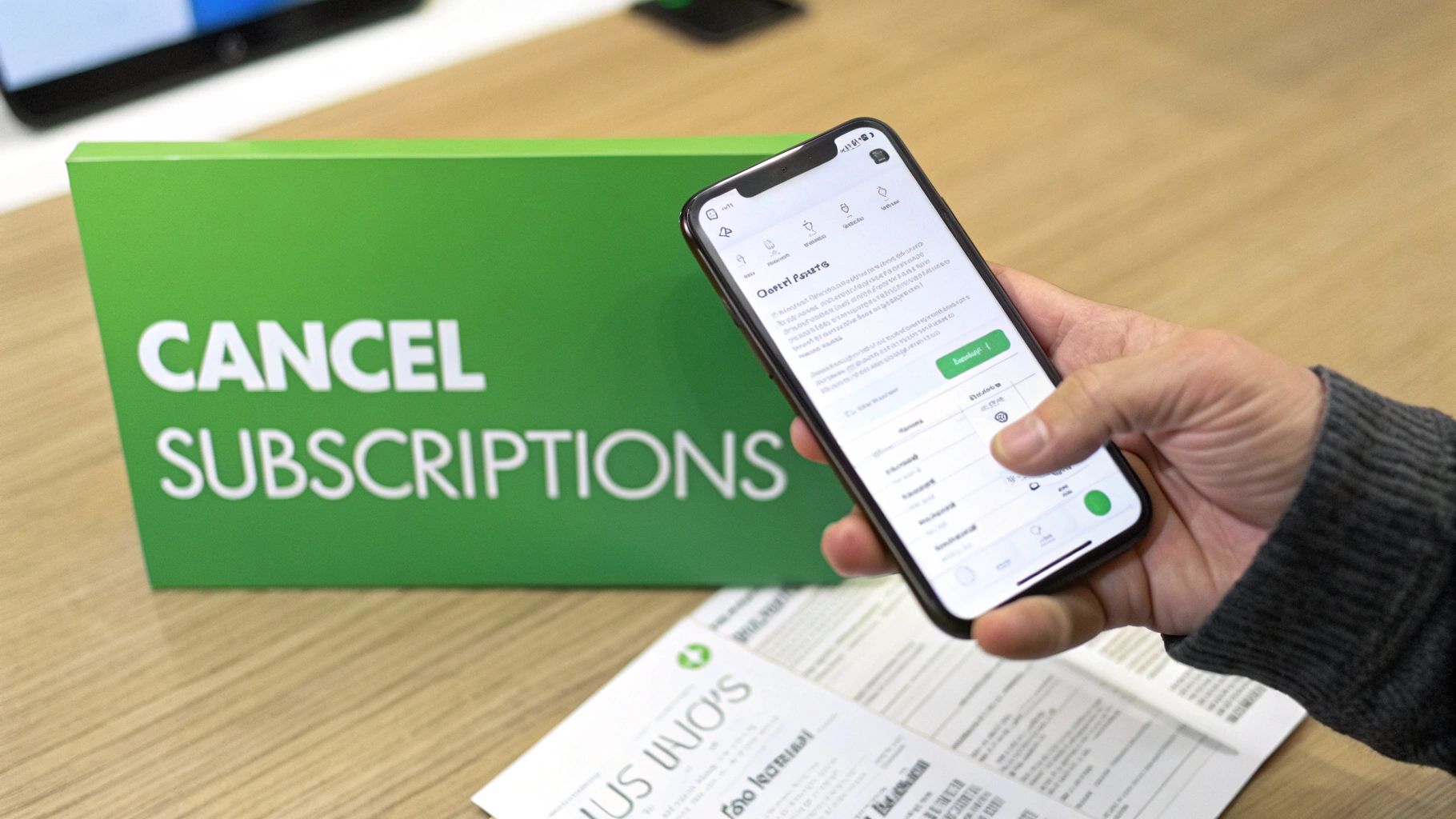
In the age of digital convenience, recurring payments for streaming, apps, and memberships can quietly drain your bank account. This “subscription creep” often goes unnoticed, accumulating into significant annual expenses for services you no longer use or value. Regularly auditing these automatic charges is a powerful yet simple way to save money by stopping this silent financial leak and redirecting cash toward your goals.
The aim of our blog is to provide valuable insights and practical tips to help readers manage their money more effectively. However, the information shared here is for general guidance and educational purposes only. It should not be regarded as professional financial advice. Any actions taken based on our content are entirely the responsibility of the reader, and we accept no liability for the outcomes of those actions. If you require financial advice tailored to your personal circumstances, we strongly recommend seeking assistance from a qualified financial adviser.
Why It Works
This strategy targets passive spending, the money that leaves your account without any active decision-making on your part. A single $15 monthly subscription might seem trivial, but discovering and cancelling several can add up to hundreds or even thousands of dollars in annual savings. For example, eliminating a gym membership you haven’t used in six months ($50/month) and three streaming services you rarely watch ($40/month) frees up over $1,000 per year. This reclaimed income can then be used to accelerate debt repayment or boost your savings.
How to Get Started
- Audit Your Statements: Comb through your last three months of bank and credit card statements. Highlight every recurring charge and create a master list of your current subscriptions.
- Use a Subscription Manager: Services like Truebill (now Rocket Money) or Trim can automatically scan your accounts to identify recurring payments, making the audit process much faster and more thorough.
- Set a Recurring Reminder: Add a “Subscription Audit” event to your digital calendar for every three or six months. This ensures the review becomes a consistent part of your financial routine, preventing new, unused subscriptions from accumulating over time.
7. Invest in Low-Cost Index Funds or ETFs
While saving money is crucial, building long-term wealth requires putting that money to work. Investing in low-cost index funds or Exchange-Traded Funds (ETFs) is a simple, effective way to grow your capital over time. This strategy allows you to own a small piece of hundreds or thousands of companies, diversifying your risk and harnessing the power of the broader market’s growth without needing to pick individual stocks.
The aim of our blog is to provide valuable insights and practical tips to help readers manage their money more effectively. However, the information shared here is for general guidance and educational purposes only. It should not be regarded as professional financial advice. Any actions taken based on our content are entirely the responsibility of the reader, and we accept no liability for the outcomes of those actions. If you require financial advice tailored to your personal circumstances, we strongly recommend seeking assistance from a qualified financial adviser.
Why It Works
Index funds and ETFs are designed to mirror the performance of a market index, like the S&P 500. Because they are passively managed, their fees (expense ratios) are significantly lower than actively managed funds. This means more of your money stays invested and working for you. Over the long term, the effects of compound interest on a diversified, low-cost portfolio have historically been one of the most reliable paths to achieving financial freedom.
How to Get Started
- Open a Brokerage Account: Choose a reputable, low-cost brokerage firm to open an investment account, such as a Stocks and Shares ISA in the UK or a brokerage account in the US.
- Set Up Regular Contributions: Just like automating your savings, automate your investments. Set up a recurring monthly transfer into your chosen fund. This strategy, known as dollar-cost averaging, helps smooth out market volatility.
- Focus on the Long Term: The key to successful passive investing is consistency and patience. Avoid the temptation to react to short-term market fluctuations. Trust in your long-term strategy and let your investments grow over time.
8. Take Advantage of Cashback and Rewards Programs
Strategically using cashback credit cards, store loyalty programs, and rewards apps can feel like getting paid for your regular spending. These programs are designed to incentivize loyalty by returning a small percentage of your purchases back to you. When managed responsibly, this method offers a simple way to save money, potentially earning hundreds of dollars annually without altering your core spending habits.
The aim of our blog is to provide valuable insights and practical tips to help readers manage their money more effectively. However, the information shared here is for general guidance and educational purposes only. It should not be regarded as professional financial advice. Any actions taken based on our content are entirely the responsibility of the reader, and we accept no liability for the outcomes of those actions. If you require financial advice tailored to your personal circumstances, we strongly recommend seeking assistance from a qualified financial adviser.
Why It Works
This strategy leverages existing expenses to generate passive savings. Instead of discounts requiring you to buy specific items, rewards programs offer a broad rebate on everything from groceries to gas. For example, using a 2% cashback card for $20,000 in annual spending generates $400 in savings with zero extra effort. This approach effectively lowers the net cost of your purchases and turns everyday transactions into a financial gain.
How to Get Started
- Match Cards to Spending: Choose a credit card with high reward rates in your biggest spending categories, like 5% back on groceries or 3% on dining. Never spend more just to earn rewards; only use these cards if you pay the balance in full each month to avoid interest charges.
- Stack Your Savings: Combine rewards for maximum effect. Pay for groceries with your cashback card at a store where you’re a loyalty member, and scan your receipt with an app like Ibotta or Fetch Rewards for a third layer of savings.
- Track Welcome Bonuses: Many cards offer significant sign-up bonuses, such as $200 back after spending $1,000 in the first three months. Strategically apply for a new card before a planned large purchase to easily meet the minimum spend.
9. Reduce Energy Consumption at Home
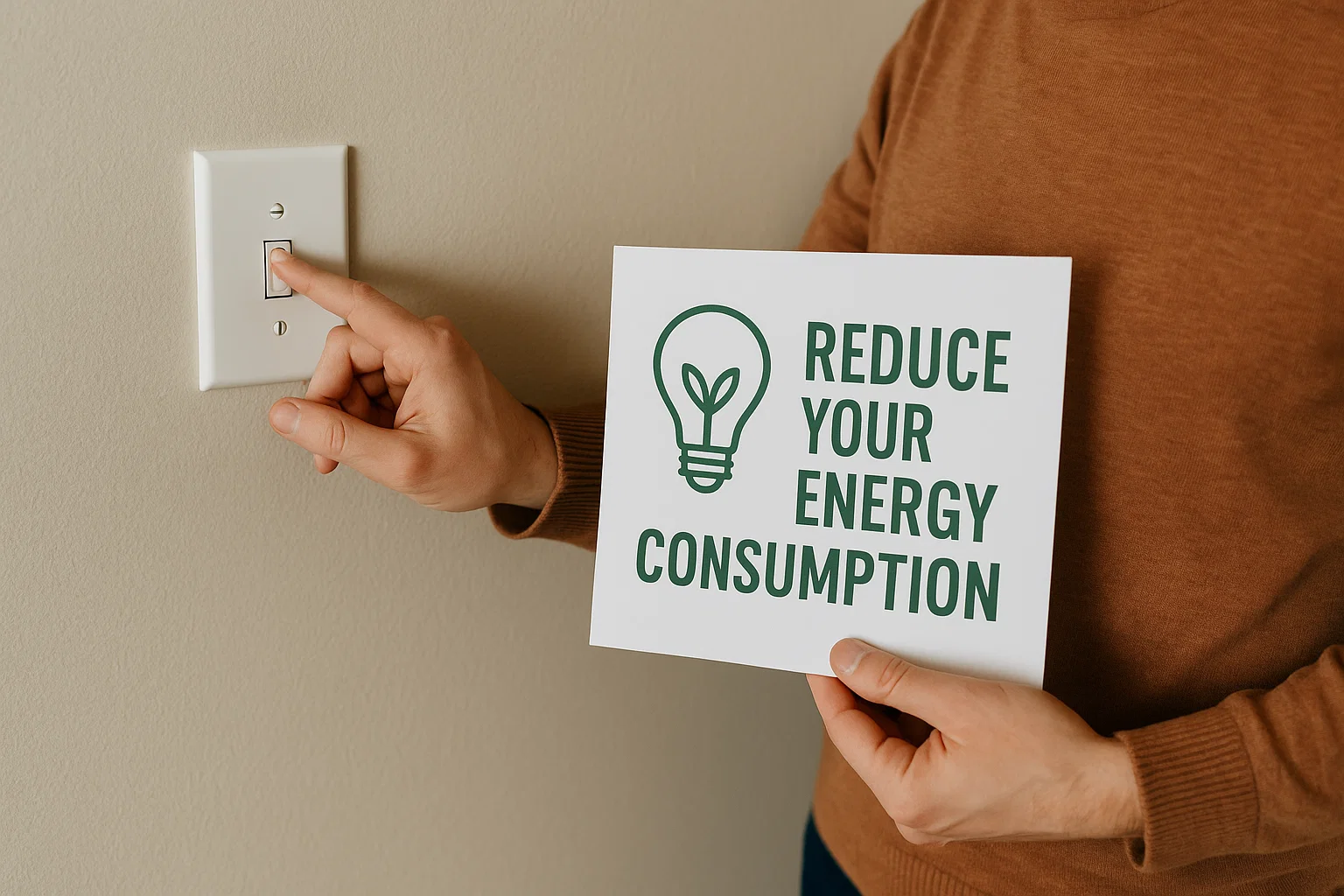
Trimming your household utility bills is one of the most effective simple ways to save money each month. Reducing energy consumption doesn’t require expensive renovations; it’s about making small, consistent changes that collectively lower your electricity, gas, and water usage. By becoming more mindful of how your home uses energy, you can significantly decrease your monthly expenses by 10-30% with minimal disruption to your daily life.
The aim of our blog is to provide valuable insights and practical tips to help readers manage their money more effectively. However, the information shared here is for general guidance and educational purposes only. It should not be regarded as professional financial advice. Any actions taken based on our content are entirely the responsibility of the reader, and we accept no liability for the outcomes of those actions. If you require financial advice tailored to your personal circumstances, we strongly recommend seeking assistance from a qualified financial adviser.
Why It Works
This method tackles fixed expenses that many people assume are unchangeable. Unlike discretionary spending, utility bills are a recurring cost, so any reduction you make provides compounding savings month after month. For example, fixing a constantly running toilet can save over $35 monthly on your water bill, while swapping old incandescent bulbs for LEDs can save over $100 annually on electricity. These small efficiencies add up to substantial yearly savings.
How to Get Started
- Upgrade Your Lighting: Replace your home’s most-used incandescent bulbs with energy-efficient LEDs. They use at least 75% less energy and last 25 times longer.
- Manage Your Thermostat: Install a programmable or smart thermostat to automatically adjust the temperature when you’re away or asleep. Lowering it by 7-10 degrees for 8 hours a day can save up to 10% a year on heating and cooling.
- Eliminate Phantom Loads: Unplug electronics when not in use or connect them to a power strip that you can switch off. Many devices draw power even when turned off, costing the average household $100 per year. For a deeper dive into managing household expenses, you can explore more ways to save money on bills on collapsedwallet.com.
- Seal and Insulate: Check for air leaks around windows and doors and seal them with caulk or weatherstripping to prevent heat or cool air from escaping.
10. Review and Switch Your Energy Tariff
One of the simplest yet most overlooked ways to save money is to regularly review your energy tariff. Many households remain on their provider’s standard variable tariff after their initial fixed deal expires, which is often the most expensive option. By actively comparing providers and switching to a more competitive fixed-rate deal, you can potentially save hundreds of pounds per year with just a small amount of effort.
The aim of our blog is to provide valuable insights and practical tips to help readers manage their money more effectively. However, the information shared here is for general guidance and educational purposes only. It should not be regarded as professional financial advice. Any actions taken based on our content are entirely the responsibility of the reader, and we accept no liability for the outcomes of those actions. If you require financial advice tailored to your personal circumstances, we strongly recommend seeking assistance from a qualified financial adviser.
Why It Works
The energy market is competitive, and providers offer their best rates to attract new customers. Staying with the same provider out of loyalty rarely pays off. Switching is a straightforward process that is handled entirely by the new supplier, with no interruption to your energy supply. The savings are direct and immediate, reducing one of your largest household bills and freeing up cash for your financial goals.
How to Get Started
- Use a Comparison Website: Utilize a reputable price comparison service to easily compare tariffs from a wide range of suppliers. You will need a recent bill with your current usage details.
- Set a Calendar Reminder: Your fixed-term deal will have an end date. Set a reminder in your calendar one month before it expires to give yourself plenty of time to shop around for a new one.
- Don’t Fear the Switch: The switching process is heavily regulated to protect consumers. Your new supplier will handle all the logistics with your old one, and your power will not be cut off during the transition.
Comparison of 10 Simple Ways to Save Money and Build Wealth
| Strategy | Implementation 🔄 (complexity) | Resources & Time ⚡ (effort/speed) | Expected Outcomes 📊 (impact) | Ideal Use Cases 💡 | Key Advantage ⭐ |
|---|---|---|---|---|---|
| Track Your Spending | 🔄 Moderate — daily logging & categorization | ⚡ Low — minutes daily or automatic with apps | 📊 High visibility into habits; enables targeted cuts | 💡 New budgeters or anyone seeking spending awareness | ⭐ Reveals unnecessary spending quickly |
| Create a Budget and Stick to It | 🔄 Moderate — one-time setup, regular adjustments | ⚡ Moderate — a few hours initially, monthly reviews | 📊 Clear financial roadmap; reduced overspending, goal progress | 💡 Households or goal-oriented savers | ⭐ Directs income to priorities; prevents impulse spending |
| Use the 30-Day Rule Before Making Purchases | 🔄 Low — simple rule, needs discipline | ⚡ Very low — minimal time cost, requires patience | 📊 Reduces impulse buys and buyer’s remorse | 💡 Impulse shoppers and non-essential purchases | ⭐ Immediate reduction in unnecessary spending |
| Automate Your Savings | 🔄 Low — initial bank/app setup | ⚡ High — set-and-forget, consistent transfers | 📊 Steady savings growth; enforces “pay yourself first” | 💡 People with inconsistent willpower or long-term goals | ⭐ Removes reliance on willpower; ensures consistency |
| Overpay Your Mortgage | 🔄 Low — set up recurring payment | ⚡ Low effort, long-term impact | 📊 Significant interest savings; debt-free sooner | 💡 Homeowners looking to build equity faster | ⭐ Builds long-term wealth and reduces debt |
| Cancel Unused Subscriptions and Memberships | 🔄 Low — periodic audit and cancellations | ⚡ Very low — quick action, immediate effect | 📊 Immediate cost savings; reduces financial clutter | 💡 Anyone with multiple recurring charges | ⭐ Fast, high-impact savings with little effort |
| Invest in Low-Cost Index Funds or ETFs | 🔄 Moderate — account setup, initial research | ⚡ Low — automate and hold for the long term | 📊 Long-term wealth creation through compound growth | 💡 Those focused on building wealth for the future | ⭐ Harnesses market growth with minimal effort |
| Take Advantage of Cashback and Rewards Programs | 🔄 Moderate — card/program selection and tracking | ⚡ Medium — passive returns but requires management | 📊 Moderate passive savings and sign-up bonuses | 💡 Responsible credit users who pay balances monthly | ⭐ Earns money back on regular spending |
| Reduce Energy Consumption at Home | 🔄 Moderate — behavior changes and upgrades | ⚡ Medium — some upfront cost, ongoing savings | 📊 Lower utility bills (10–30%); environmental benefits | 💡 Homeowners and long-term residents | ⭐ Sustained savings plus improved comfort/value |
| Review and Switch Your Energy Tariff | 🔄 Low — use comparison sites once a year | ⚡ Low — one hour annually for significant savings | 📊 Potentially hundreds saved on yearly energy bills | 💡 Anyone not in a fixed-term energy contract | ⭐ High financial reward for very little effort |
Turning Simple Actions into Lasting Financial Health
Navigating the path to financial stability can often feel overwhelming, but as this guide has demonstrated, the journey is built upon a series of small, manageable steps. We’ve explored a wide range of strategies, from the immediate impact of tracking your spending and creating a functional budget to the long-term benefits of automating your savings and reducing energy consumption. These aren’t just isolated tips; they are interconnected habits that reinforce one another, creating a powerful system for financial control. Mastering these simple ways to save money is about shifting your mindset from reactive spending to proactive financial management.
The aim of our blog is to provide valuable insights and practical tips to help readers manage their money more effectively. However, the information shared here is for general guidance and educational purposes only. It should not be regarded as professional financial advice. Any actions taken based on our content are entirely the responsibility of the reader, and we accept no liability for the outcomes of those actions. If you require financial advice tailored to your personal circumstances, we strongly recommend seeking assistance from a qualified financial adviser.
From Knowledge to Action: Your Next Steps
The most critical phase is turning this knowledge into tangible action. The sheer number of options can be paralyzing, so the key is to start small and build momentum. Don’t try to implement all ten strategies at once. Instead, identify the one or two areas that offer the biggest potential impact for your specific situation.
- For Instant Clarity: If you feel lost about where your money goes, make tracking your spending your number one priority for the next 30 days. Use an app or a simple spreadsheet to gain the awareness needed to make informed changes.
- For Effortless Growth: If you struggle to save consistently, focus on automating your savings. Set up a recurring transfer to a separate savings account, even if it’s a small amount. This single action builds a saving habit without requiring daily willpower.
- For Immediate Savings: If your monthly bills feel bloated, dedicate an afternoon to canceling unused subscriptions and reviewing your energy usage. This can free up cash flow almost instantly, providing a quick win that boosts motivation.
By concentrating your efforts on a few high-impact habits, you create a foundation for success. Each small victory reinforces your ability to take control, making it easier to tackle the next challenge on your list.
The True Value of Financial Discipline
Ultimately, embracing these simple ways to save money is about more than just accumulating a larger bank balance. It’s about buying back your freedom and reducing financial anxiety. It’s about having the resources to handle unexpected emergencies without derailing your life, the flexibility to pursue opportunities without being held back by debt, and the peace of mind that comes from knowing you are building a secure future. Each dollar saved is a step toward a life defined by your choices, not by your financial limitations. Stay persistent, celebrate your progress, and remember that consistent, small actions compound into life-changing results.
Ready to take the guesswork out of your finances? The Collapsed Wallet app is designed to help you implement these strategies seamlessly, from tracking every expense to managing your budgets and subscriptions in one place. Start making smarter financial decisions today by visiting Collapsed Wallet and take your first step toward true financial freedom.
